|
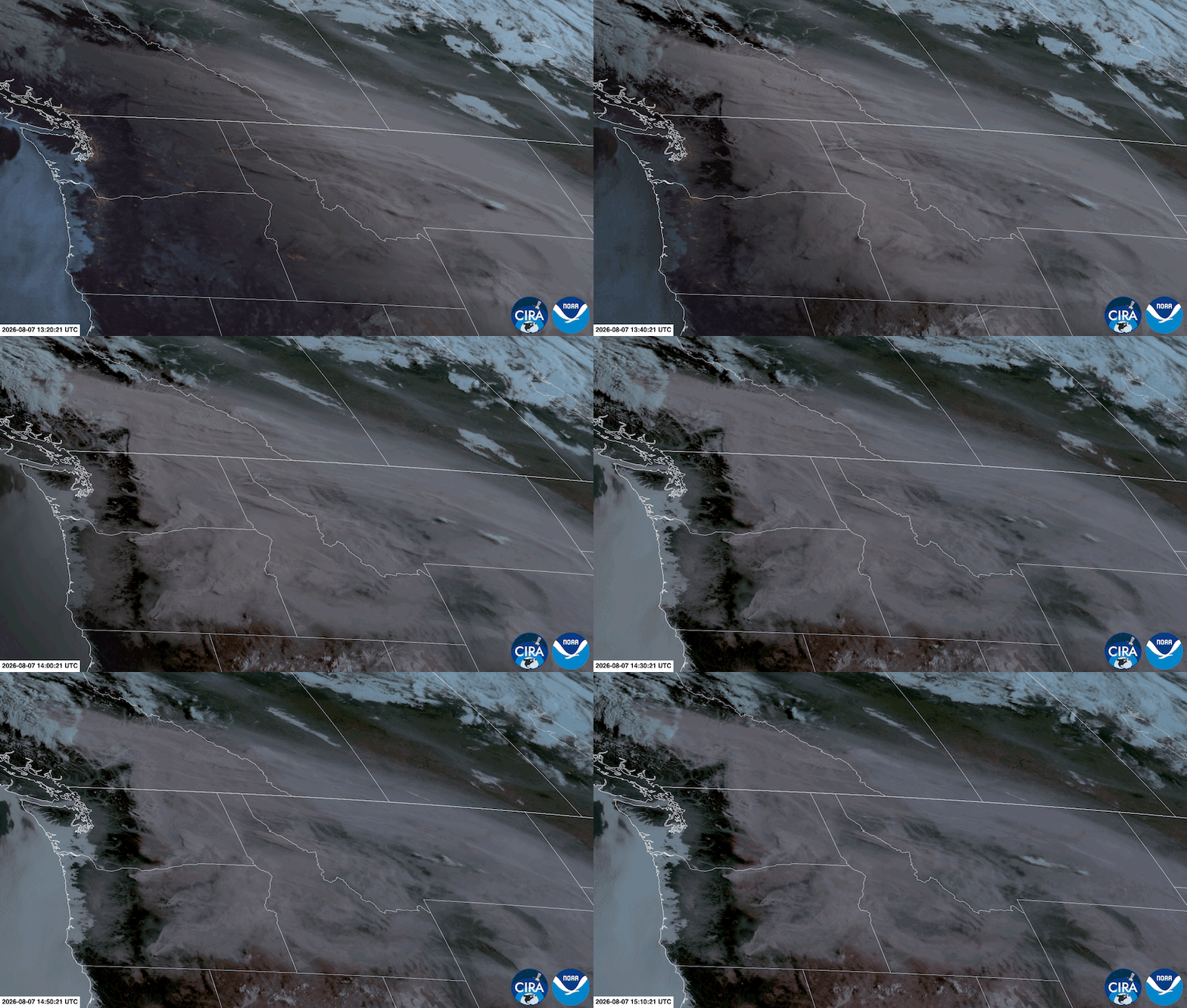
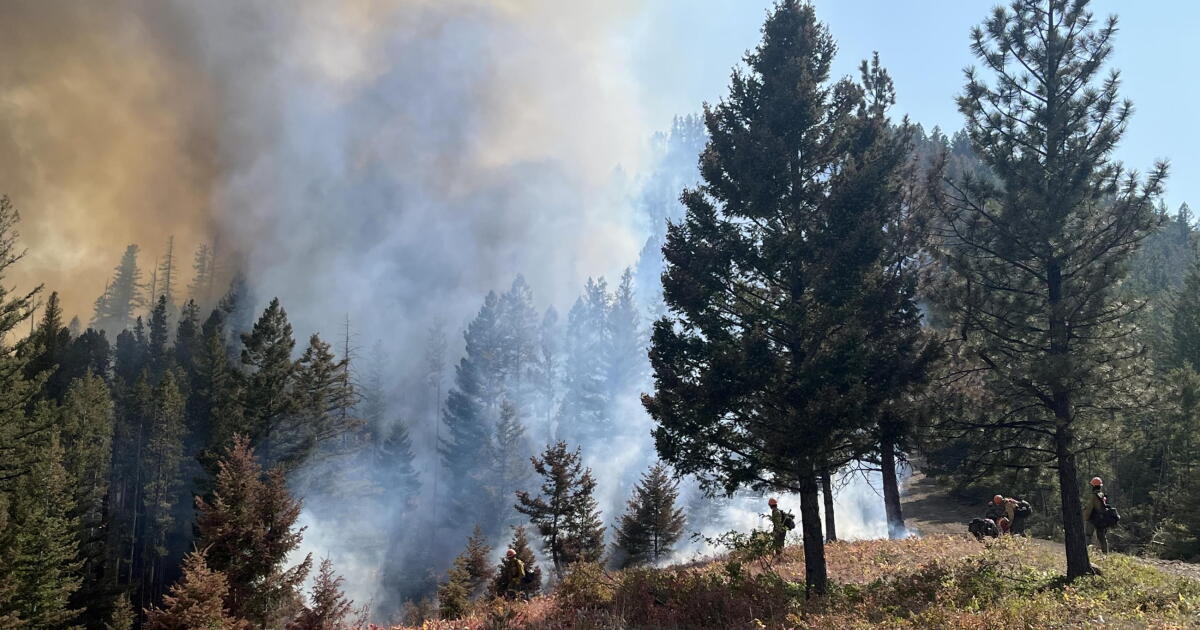
Smoke season has once again wrapped Missoula in its wispy brown clutches. Plumes from dozens of wildfires throughout the Pacific Northwest are drifting inland, smudging the surrounding mountains in haze and turning the sun a sickly orange-red. Suddenly a simple river float or evening at the fair takes on a mildly Mad Max-ian vibe, as if we’re poised to descend into a world dominated by drought and gasoline wars and assless chaps.
Over the past decade or so, public health advocates have been loudly raising the alarm about wildfire smoke. New study after new study is revealing the significant effects these now-annual days of noxious region-wide smog can have on the human body, from cardiovascular and respiratory issues to decreased brain function and higher mortality among lung cancer patients. One peer-reviewed paper even linked wildfire smoke exposure to potentially thousands of premature births in California in 2017 and 2018.
These mounting health concerns are a major reason Missoula County’s Air Quality Program throws so much time and energy into its daily updates this time of year. Each release is chock-full of information about the status of local particulate loads and regional wildfires as well as a few health and safety measures. Former air quality specialist Sarah Coefield proudly started the practice years ago, and Kerri Mueller picked up that baton in 2024. This week we thought we’d turn the mic over to Mueller Q&A-style to share some of her insights in more detail.
Fresh Press: So Kerri, we know we’ve had fires all over lately — Canada, Oregon, even nearby in the Bitterroot and Flathead. How much longer can we expect to be seeing smoke, and where has it been coming from?
Kerri Mueller: I wish I had one of those fortune-telling balls, but honestly, I think we're in for a bit of a smoky August because of the drought Washington and Oregon have been facing and how active those fires have been. With our generally westerly flow, whether it's northwesterly, westerly or southwesterly, as long as those fires are burning and sending out decent smoke plumes, we're going to see smoke from them. If we keep seeing really active fire days where it's really hot outside and the winds are really strong, those days really cause the acreage to increase. The fires will settle down eventually and won't be sending out those huge plumes, but it's difficult to say exactly when that'll happen because it depends on resources and weather.
[As of the county's latest update, posted Friday morning, air quality had worsened to Unhealthy for Everyone across most of Missoula County, with new local fire growth in the Bitterroot adding to smoke already blanketing the region from Washington and Oregon.]
And how bad is all this smoke for us? What effects does it have?
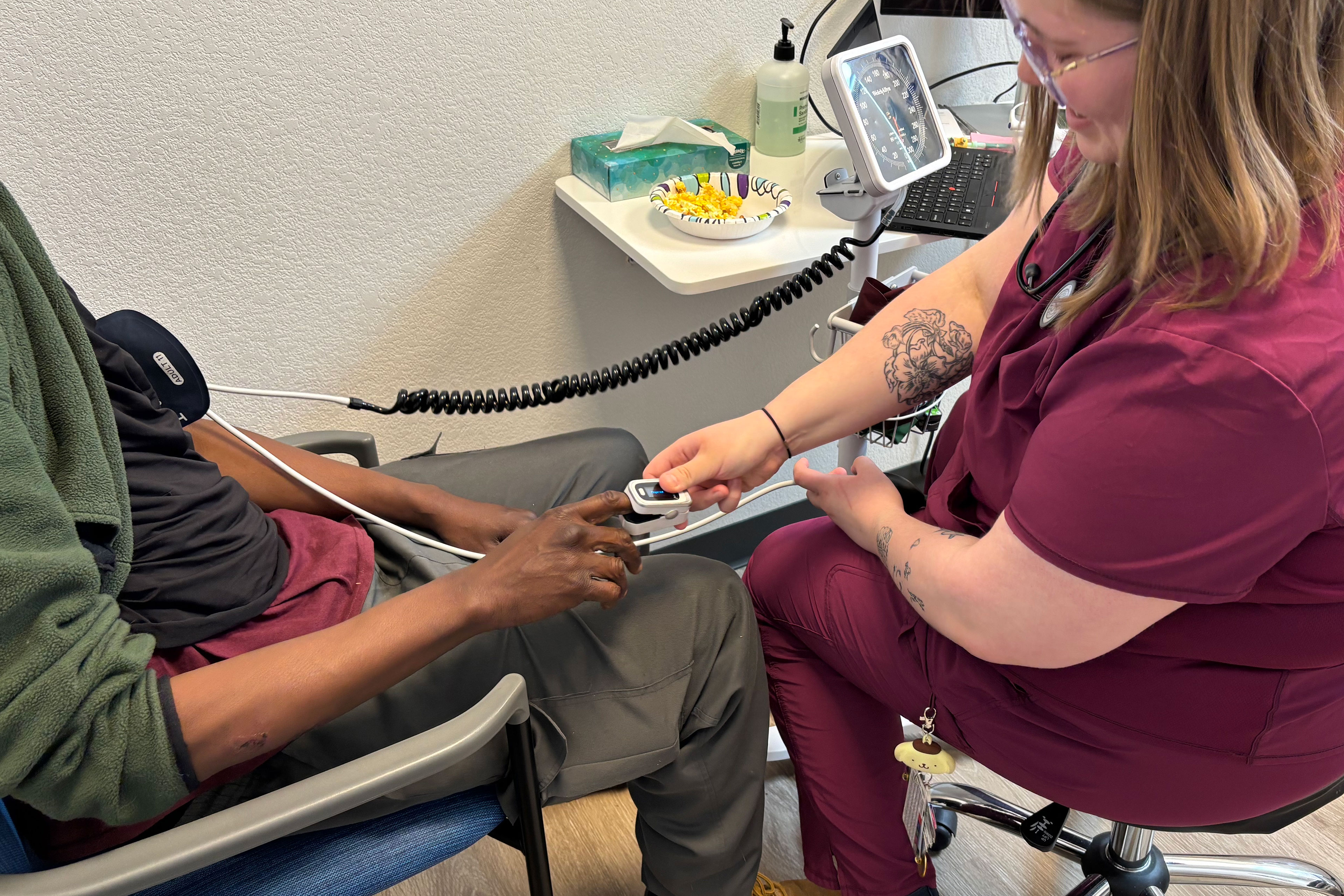
When it comes to the health effects of wildfire smoke, people typically talk about short-term versus long-term effects. Short-term effects are those that we see right away. When it’s pretty smoky out, I definitely have a headache. People may start coughing and wheezing and get itchy eyes, itchy throat, a general feeling of fatigue and fogginess. It may aggravate asthma or COPD, and those short-term effects become more apparent as air quality worsens.
But even when the air quality is moderate, we should consider our long-term health effects, because if it's been moderate for two or three weeks, that exposure is building. Some of those long-term impacts can be reduced lung function and capacity. It’s linked to dementia and cognitive decline, and can cause complications with heart and lung disease. It can even weaken our immune systems and increase inflammatory responses in our bodies. There was a study through the University of Montana that found a correlation between contracting influenza the season after a smoky year. |