Final call for comment on Roadless Rule rescission
|
by Alex Sakariassen
|
Back in January 2001, during the final days of Bill Clinton’s presidency, federal officials enacted a sweeping conservation policy to safeguard nearly 60 million acres of undeveloped national forest, mostly across the American West and Alaska. The Roadless Area Conservation Rule prohibited all but the most essential disturbances to those landscapes, effectively barring any future road construction or large-scale industrial logging. The rule drew 1.6 million public comments, 97 percent of them in favor, which one longtime conservation writer called the biggest show of public support in U.S. rulemaking history.
In recent months, that longstanding support has turned to outrage as the Trump administration moves to unravel a quarter century of federal protections. U.S. Agriculture Secretary Brooke Rollins announced plans to rescind the Roadless Rule entirely, kick-starting a review process so heavily scrutinized that the USDA tacked an extra two weeks onto its initial 30-day public comment window. That new deadline is Oct. 6, and already the comment total on the federal register is tracking close to 300,000.
The areas currently shielded by the Roadless Rule include some 6 million acres of federal public lands in Montana, or roughly 37 percent of the state’s share of the national forest system. And Missoulians likely count some of those tracts among their favorite nearby playgrounds: the canyons snaking up the eastern flanks of the Bitterroot Mountains, the upper reaches of Gold Creek perched above the Rattlesnake, the forested frontlands abutting the Bob Marshall Wilderness Complex outside Lincoln, Ovando, Seeley Lake and Condon. No surprise, then, that Montanans have added their voices to the chorus of opposition to the proposed rescission, from local grassroots demonstrations to organizational calls to action by Wild Montana, the Glacier-Two Medicine Alliance and other conservation
groups.
The Trump team’s argument for this wholesale rollback features a lot of familiar tunes from past conservation debates. The administration claims, for one, that the Roadless Rule has hampered the Forest Service’s vegetation management practices, feeding a wildfire epidemic in the West that only increased road access and commercial logging can reverse. The proposal also asserts a revitalized timber industry would be a boon for individual communities and the U.S. Treasury, and help wean America off its dependence on Canadian lumber in the process. Then there’s the
“one-size-doesn’t-fit-all” line that, on its face, appeals to a decent chunk of the electorate. Rescinding the Roadless Rule, in the eyes of Rollins and others, will shift decision-making power back to agency officials on the ground — the forest-level managers, scientists and staff who know their local wildlands best.
Most public lands advocates aren’t buying it. On Rollins’ wildland fire claims, conservation groups have pointed to brand-spanking-new research that associates higher road density with a higher frequency of wildfire starts. The Forest Service practically undercuts its own argument on the financial benefits of renewed road development and logging, acknowledging the estimated $11 million such
activity would generate in federal revenue annually pales in comparison to the $6.9 billion in backlogged bridge and trail maintenance the agency faces. The proposal also estimates more than $6 million in financial losses to the recreation sector due to increased disturbances and area closures. As for the administration’s preference for local forest management, critics of the rescission are quick to remind the public that Trump’s efforts to downsize the federal government over the past year and a half have severely diminished the Forest Service’s staff and research
capacities.
Debate over the Roadless Rule led to a lengthy exchange last month on Steven Rinella’s MeatEater podcast, with the renowned sportsman and author voicing his concern over the wholesale rescission of a rule that’s kept huge swaths of forest ecosystem intact. Rinella then turned the question over to his guest: Ryan Zinke, Trump’s first-term Interior secretary and current lame-duck Montana
congressman. As Western politicians so often do when caught between allegiances, Zinke stopped short of picking a side. Instead, he acknowledged the potential shortcomings of a blanket rescission while offering case after case where the Trump administration’s push to roll back protections is warranted.
“You know, a blanket ‘We're just going to undo every roadless [designation] and make them roads again,’ I think that is not best science, it's not best practices, it's not based on longest term, greatest good,” Zinke told Rinella, before pivoting. “I think there's no doubt some roads that probably should be opened up that provide access. Remember, not everyone is in great shape. There's a lot of older folks that don't walk so well that maybe would like to drive.”
Public feedback on the Trump administration’s proposed rescission of the 2001 Roadless Area Conservation Rule closes Oct. 6.
|
|
|
|
|
Supported by |
 |
|
|
|
|
Zinke recycles a familiar conservation pitch |
Interestingly, Ryan Zinke’s high-wire act on the future of roadless designations comes as he’s pushing to add a few of those acres to Montana’s big “W” Wilderness map. Last month, the Republican congressman introduced a bill affecting land use and recreation throughout the Blackfoot River corridor. And, in another apparent nod to the 50th anniversary of Norman Maclean’s acclaimed novella, he’s dubbed this one the “A River Runs Through It Act.”
“This is a solution that looks at landscape and understands the importance of the outdoors,” Zinke told Rinella toward the end of his Sept. 24 podcast appearance. “The reason why we live in the West is because we have outdoor experience, and we were given the outdoors experience largely from the great ones: Roosevelt, Pinchot and Muir. They looked at the landscape and said, ‘This needs to be protected and cultivated for the next generation.’”
That’s a pretty heady list of conservation giants. But Montanans will likely recognize a more contemporary name tied far more closely to Zinke’s latest legislative pitch: Jon Tester. Back in his days as a Democratic U.S. senator, Tester launched several efforts to expand federal wilderness protections in the state while working to balance timber and agricultural interests. The first, his Forest Jobs and Recreation Act, sought to pair mandated timber treatments with more than 600,000 acres of new wilderness designations across the Lolo, Kootenai and Beaverhead-Deerlodge national forests. It stalled out due to deep ideological divisions in Montana and in Congress, but his conservation follow-up — the Rocky Mountain Front Heritage Act — made it through, protecting some 275,000 acres west of Choteau (including 67,000 acres of new wilderness in the Bob Marshall and Scapegoat wilderness areas) and preserving existing opportunities for hunting, livestock grazing and motorized recreation. Tester credited the latter’s success to the early groundwork and compromise achieved by local stakeholders.
Then there was the Blackfoot-Clearwater Stewardship Act, a largely baked-at-home proposal to address longstanding concerns over forest health, water quality and user conflict in one of western Montana’s most celebrated regions. Again Tester tried to appeal to multiple interests at once, offering a 79,000-acre wilderness addition alongside smaller-scale timber treatments and lasting backcountry access for mountain bikers and snowmobilers. And again he found detractors among both conservation hardliners and the state’s own federal delegation. Four times Tester introduced the bill (in 2017, 2019, 2021 and 2023), and four times his congressional colleagues across the aisle shot him down.
Now Zinke has picked up the pieces Tester left behind after his 2024 reelection defeat, stitching the Blackfoot-Clearwater Stewardship Act together with a similarly long-simmering management strategy farther upstream called the Lincoln Prosperity Proposal. All told, Zinke’s A River Runs Through It Act would include 132,000 acres of new wilderness plus all the fuel-reduction initiatives and mixed recreational guarantees local advocates have identified. His bill also releases two Wilderness Study Areas totaling 23,000 acres south of Lincoln — a heavy nod to an enduring wedge issue in Montana
conservation politics. In fact, Tester won then-Rep. Steve Daines’ support for the Heritage Act only after agreeing to toss in the release of the Zook Creek and Buffalo Creek WSAs in the southeast corner of the state.
For his part, Tester sounds thankful Zinke is trying to complete a conservation mission he started nearly a decade ago, reiterating to the Montana Free Press last month the same point he’s so often hammered about the power of local collaboration. And perhaps Zinke’s party allegiance will position him for greater success than his Democratic forerunner among Washington’s congressional power brokers. Either way, two things are clear: Many conservation groups in Montana remain staunchly opposed to this particular blend of wildland management strategies, and Zinke’s days to advance or refine his approach are numbered. Come 2027, he’ll reach the chosen end of his political tenure.
|
|
|
The ledger #️⃣ |
24 |
Individuals a federal judge found were unlawfully detained and ordered released from the Cascade County detention center late last month as part of a class-action lawsuit challenging in-state arrests by federal immigration officials. Upper Seven Law, the Helena-based nonprofit firm representing the detainees, filed a motion this week in an effort to block what it alleges is a continued pattern of warrantless arrests, and said its work has already helped free dozens of people caught up in the latest spate of federal immigration activity in Montana.
|
The week ahead 🗓️ |
On Oct. 6, Missoula Public Health and the Missoula County Public Schools are teaming up to host a free public screening of Screenagers: Generation AI, the latest installment in a documentary series about the science and stories unfolding among students in the digital age. The film will be accompanied by a panel discussion featuring local officials and youth, and
attendees will get free pizza. Doors open at 5:15 p.m. at Sentinel High School, with the screening starting at 6 p.m.
The Pulp is live next Friday! That’s right, on Oct. 9, your local nonprofit news crew will be kicking back at Free Cycles to the tunes of The Spills and Travis Yost — and yucking it up alongside a slate of comedic geniuses including Sarah Aswell and Duane Raider. It’s all in celebration of The Pulp’s third anniversary. You can get more details and RSVP here.
Find a list of all upcoming city meetings here and county meetings here.
|
|
|
The feed 🗞️ |
|
|
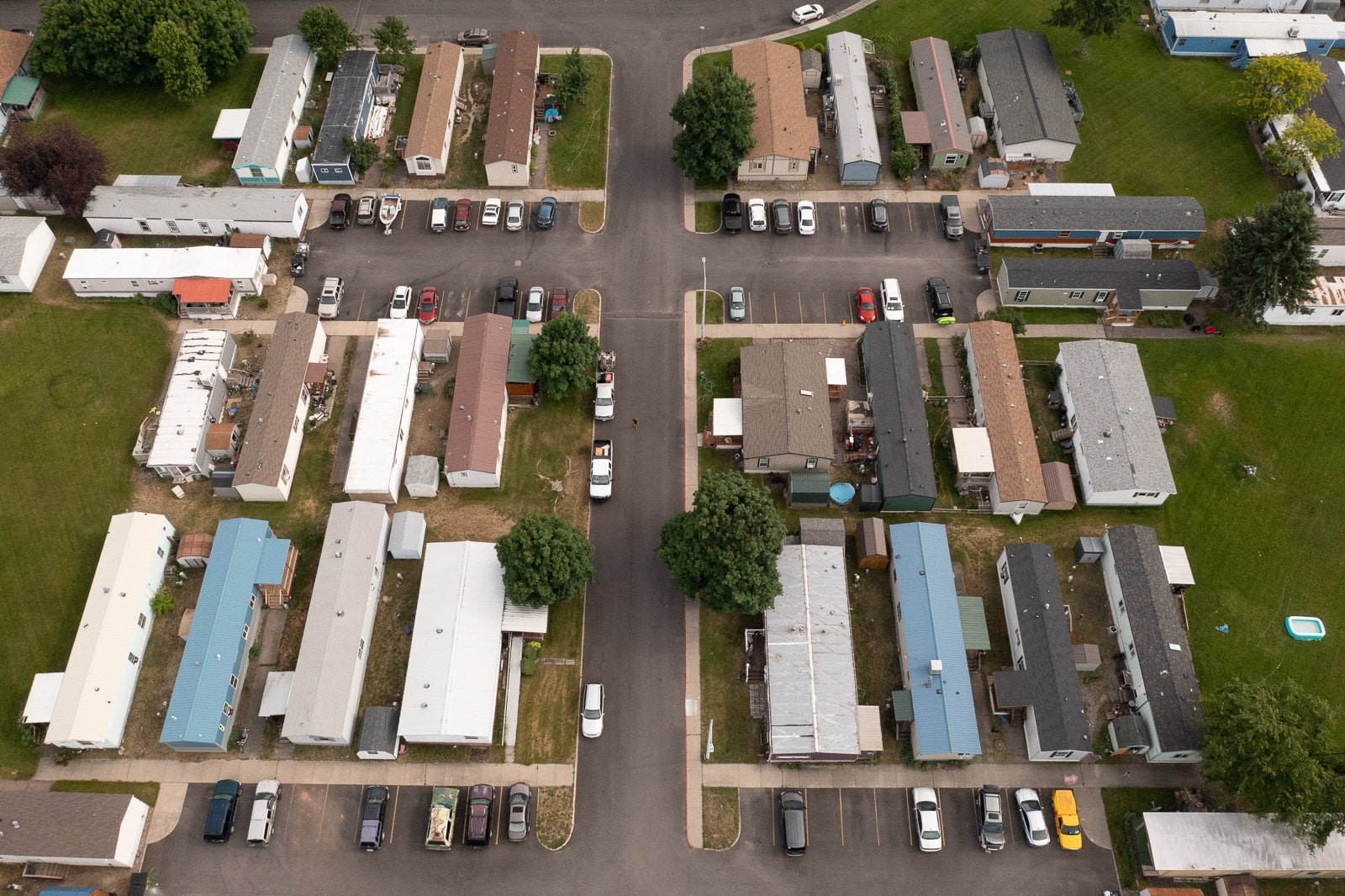
Zoning and stigma pushed Missoula trailer parks to the city's edges. Now out-of-state investors own many of them, and residents are pushing back.
|
The Pulp
|
|
|
|
|
Artistic director Michael Sakir on turning Norman Maclean's 'A River Runs Through It' into an opera, from fly-fishing as stagecraft to giving Maclean's female characters real names.
|
The Pulp
|
|
|
|
|
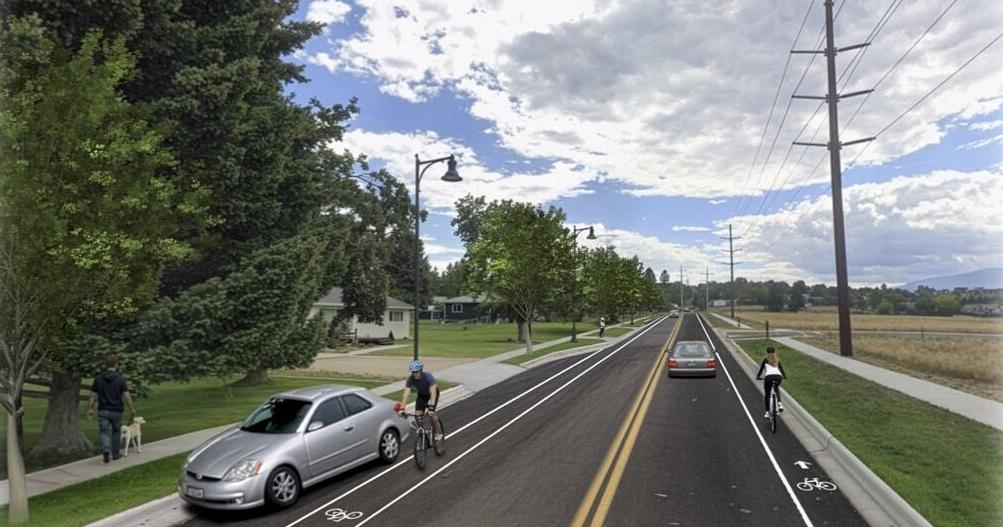
The city plans on constructing almost $8 million in improvements to three sections of Miller Creek, and some existing residents might have to pay for it.
|
Missoulian
|
|
|
|
|
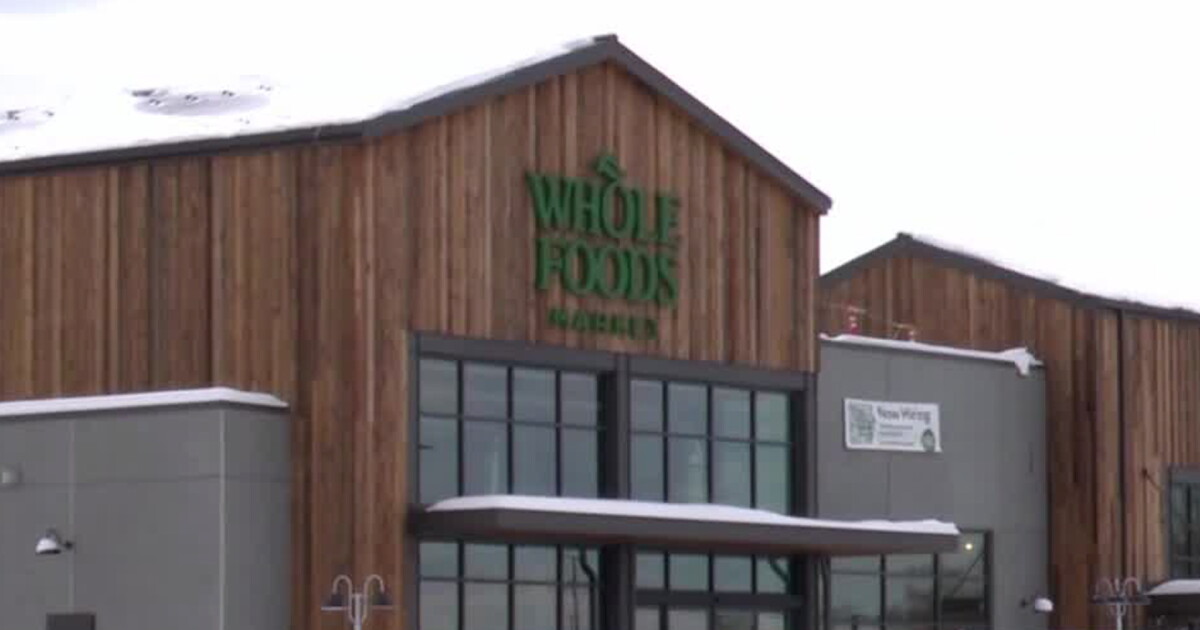
Whole Foods is officially coming to Missoula. It will be located along Brooks Street as part of the development near Southgate Mall.
|
KPAX News
|
|
|
|
|
Cook Political Report moved its rating from “Likely Republican” to the less confident “Lean Republican.”
|
Montana Free Press
|
|
|
|
|
In September letters with a list of demands, congress members alleged that "radical environmental groups" were unjustly profiting from taxpayers.
|
Missoulian
|
|
|
|
|
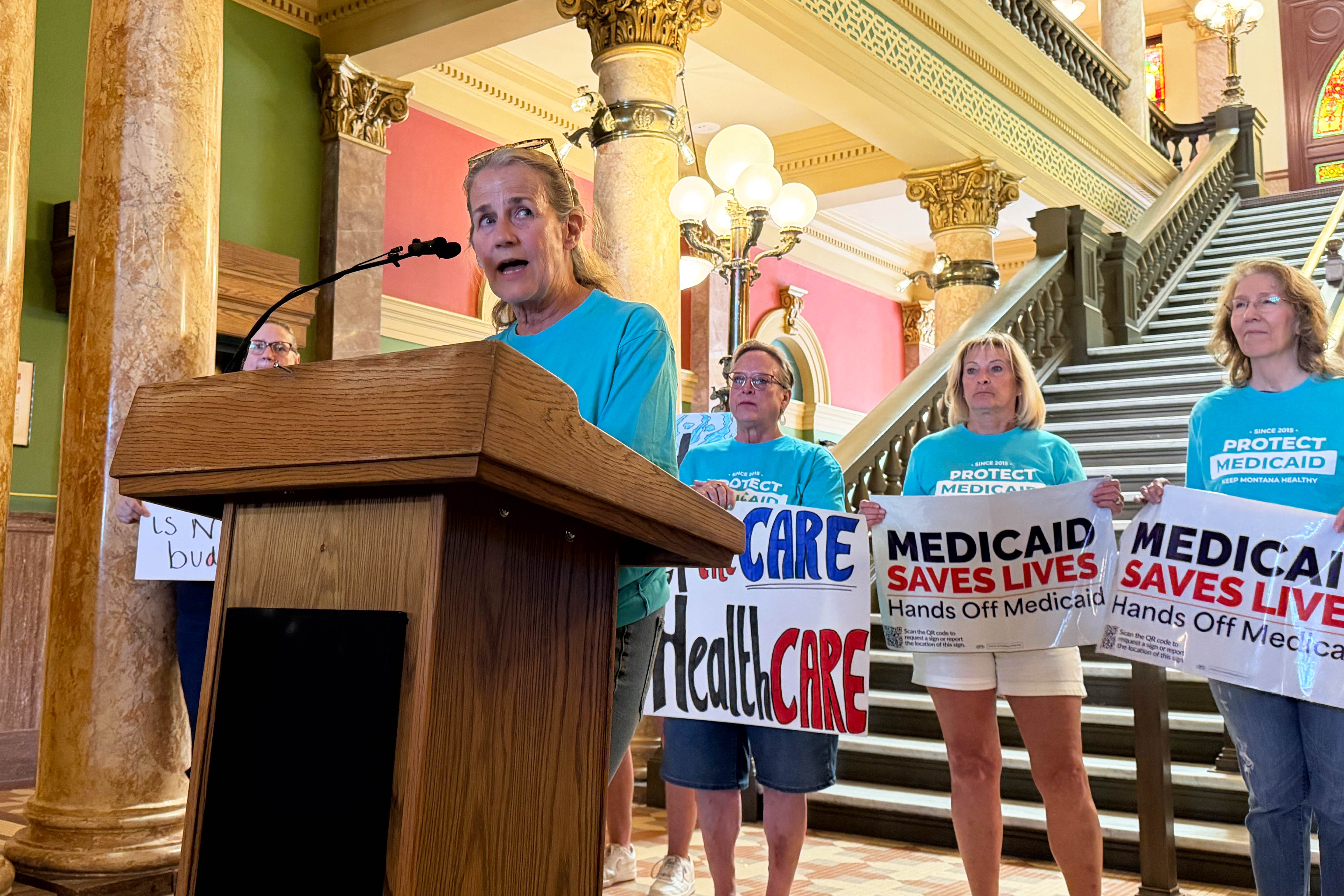
In most states, people with Medicaid coverage will have to prove they’re working, volunteering, or studying starting Jan. 1. But Montana put the rules into effect early, and they’re sowing uncertainty and anxiety.
|
KFF Health News
|
|
|
|
|
The deal softens a proposed deductible spike, but leaves monthly premium increases in place.
|
Montana Free Press
|
|
|
|
|
Experts say good education is about relationships — and a constitutional amendment doesn’t hurt.
|
High Country News
|
|
|
|
|
Fourteen black bears were killed last week following an investigation at a Bozeman-area home. Game wardens say the bears had stopped relying on natural foods and were completely unafraid of humans.
|
Montana Public Radio
|
|
|
|
|
|
|